
Back county by Robert Adams
The wood stork is a striking, large wading bird native to the subtropical and tropical regions of the Americas.

The wood stork is a striking, large wading bird native to the subtropical and tropical regions of the Americas.
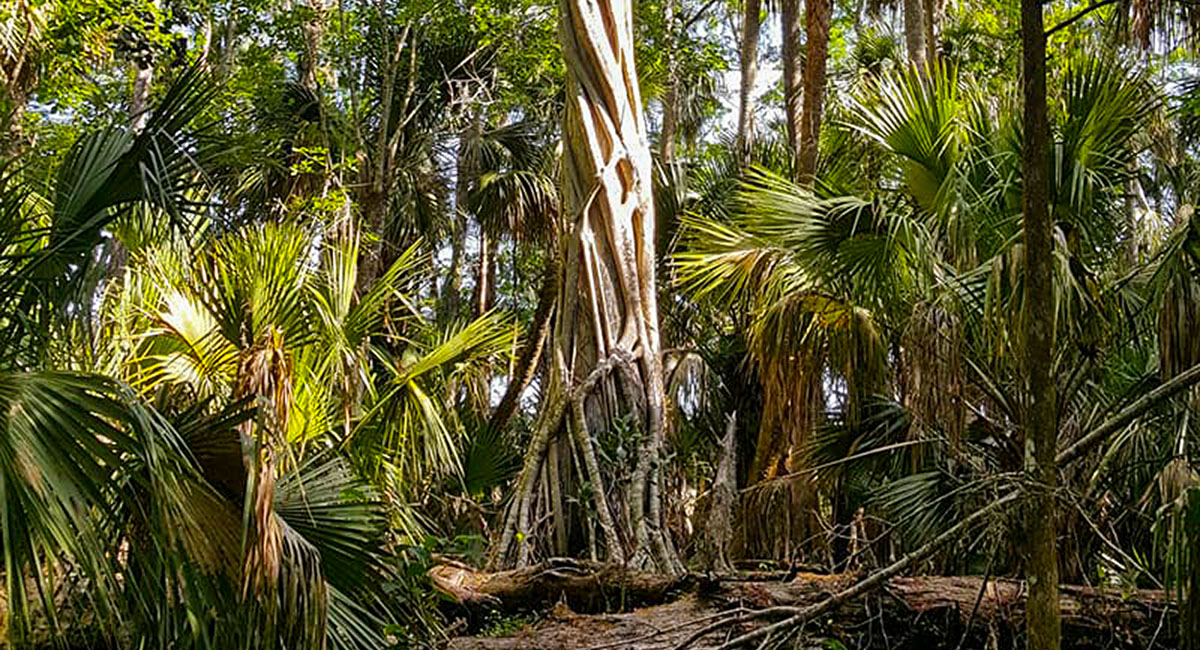
Deep in a forest, a strangler fig [Ficus aurea] envelopes a towering cypress tree. Although widely thought to be an invasive species, it is actually native to Florida, with fossils suggesting their presence millions of years ago, and botanist Thomas Nutall describing them in 1846.
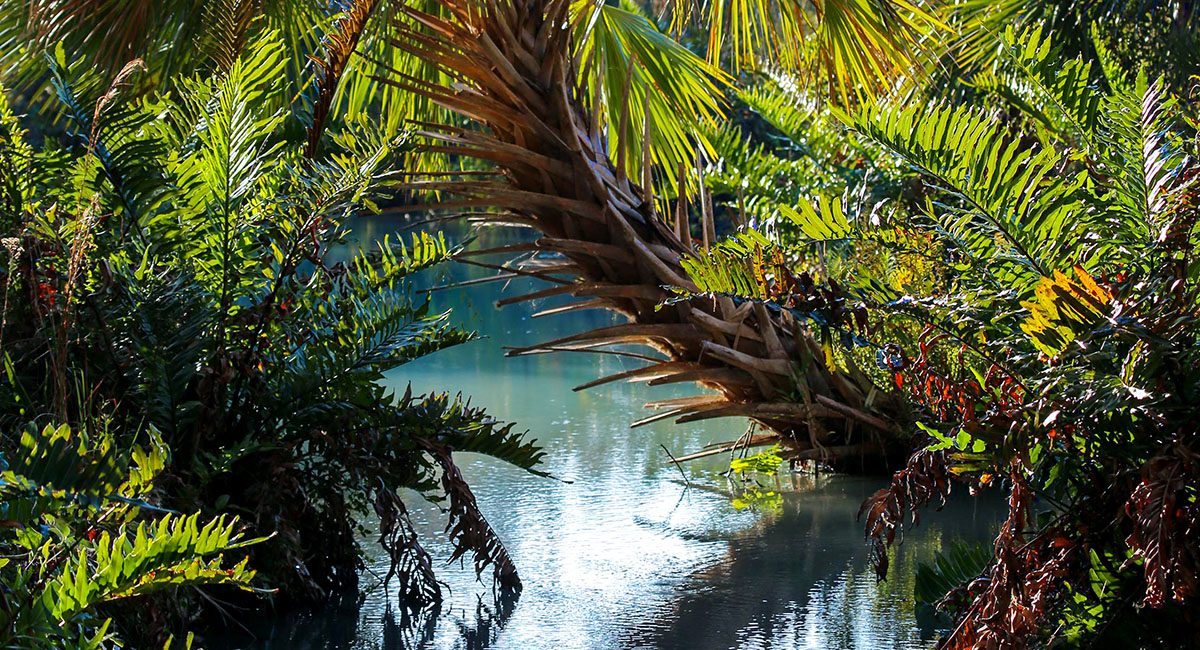
A spring fed by an artesian well maintains a steady temperature of 70 degrees year-round, creating a tranquil oasis. Palms and ferns line the water’s edge, with oak and pine trees in the background.
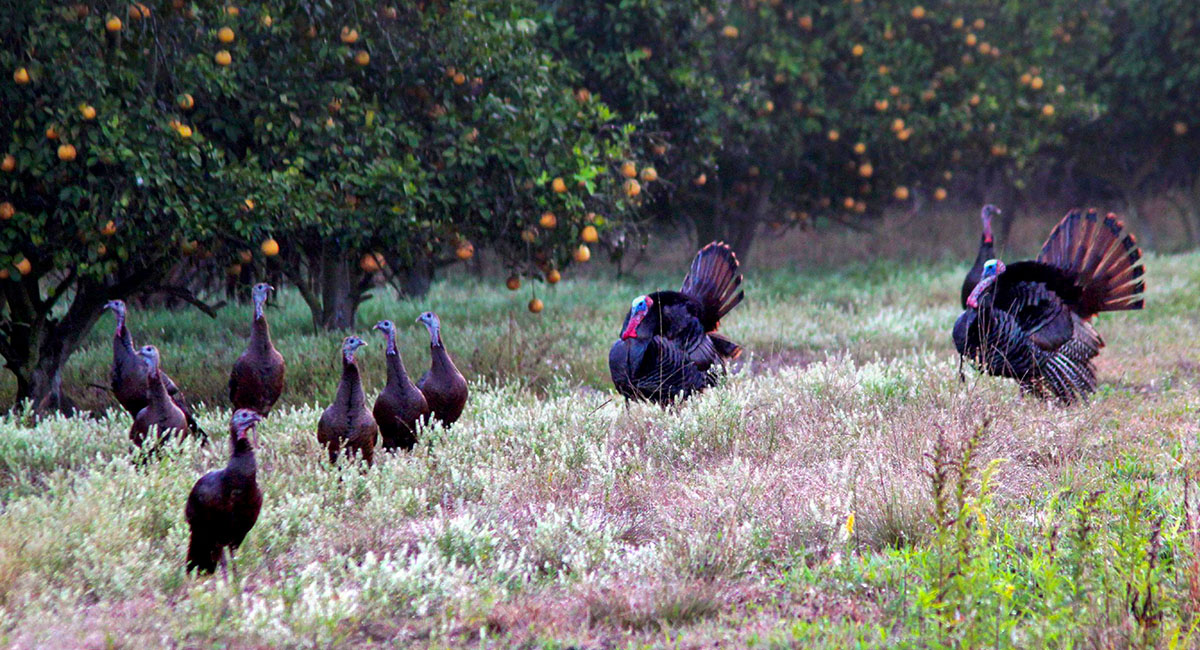
Autumn in central Florida brings, along with the changing leaves, mating season for wild Osceola turkeys [Meleagris gallopavo Osceola]. Named for the great Seminole leader, Chief Osceola...

Summer is the time to be near the water and this green heron [Butorides virescens] is no exception.

The tri-colored heron, an early morning hunter, wades through shallow water in search of small fish and prawns hiding in the plentiful aquatic vegetation.

Just as winter is a time for family get-togethers, it is the same for these migratory birds that fly South for the winter months.

This buck is eating wild oranges while on the lookout for danger. Fall and winter is the time animals search for fallen acorns, oranges, seeds and other rich food they need to eat to prepare their bodies for the colder weather.

This young bald eagle sits on a higher limb watching over young eaglets. When this eagle matures, its head will turn white. Soon the mother and father will bring fish to the nest to feed the little eaglets.

A pair of sandhill cranes watches over their two eggs. The couple will do this for 30 days until the eggs hatch.


