Port St. Lucie Magazine Spring 2019
Two years of fourth-place finishes in the National League East have kept the New York Mets in a reorganizing stage, but they have the talent to begin a turnaround…
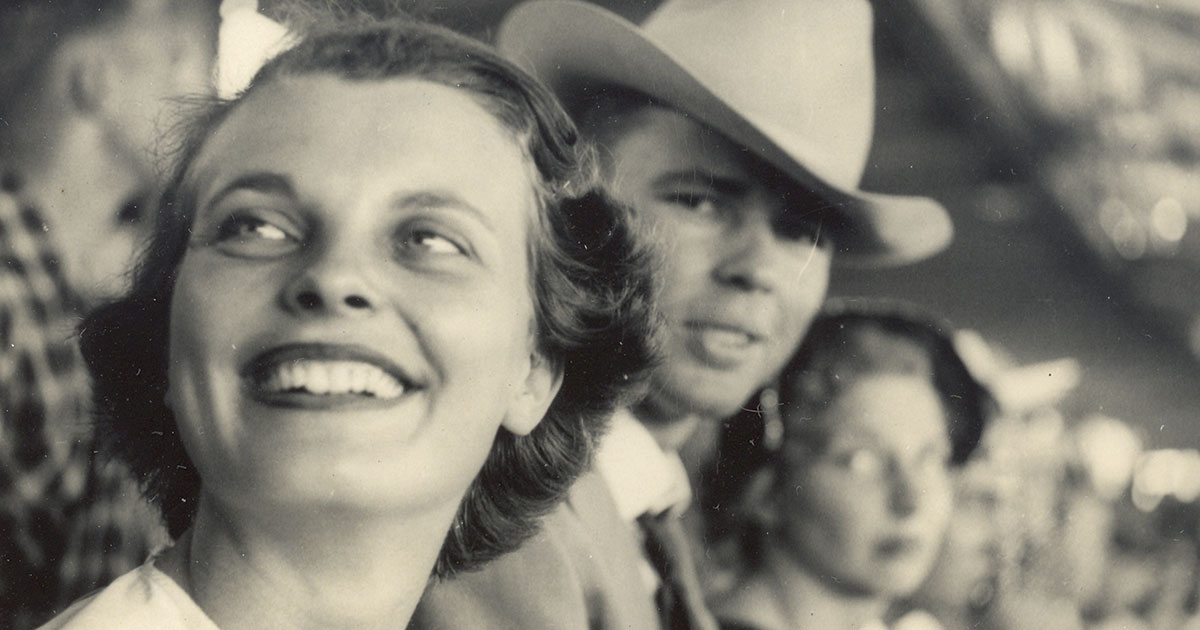
As we prepare on Wednesday to celebrate the life of Dorothy Snively “Dot Adam,’’ wife of late iconic rancher Bud Adams, we pay tribute to her pioneering spirit. Dot was a Cypress Gardens Belle from Winter Haven attending Florida State University when she met Bud, a student attending rival University of Florida. Bud called her “the best looking girl at FSU.’’ After they married in 1949, they made their home at Adams Ranch west of Fort Pierce, where Dot embraced the rugged lifestyle. Her closest neighbors were native Seminoles. Their 68-year union produced three sons, 14 grandchildren and 13 great-grandchildren. Bud died in 2017 at the age of 91 and Dot died May 4, also at the age of 91, after a 14-year battle with Alzheimer’s. The celebration of life for Dot is at 11:30 a.m. Wednesday, May 15, at Adams Ranch Headquarters, 26003 Orange Ave., Fort Pierce, 34945.
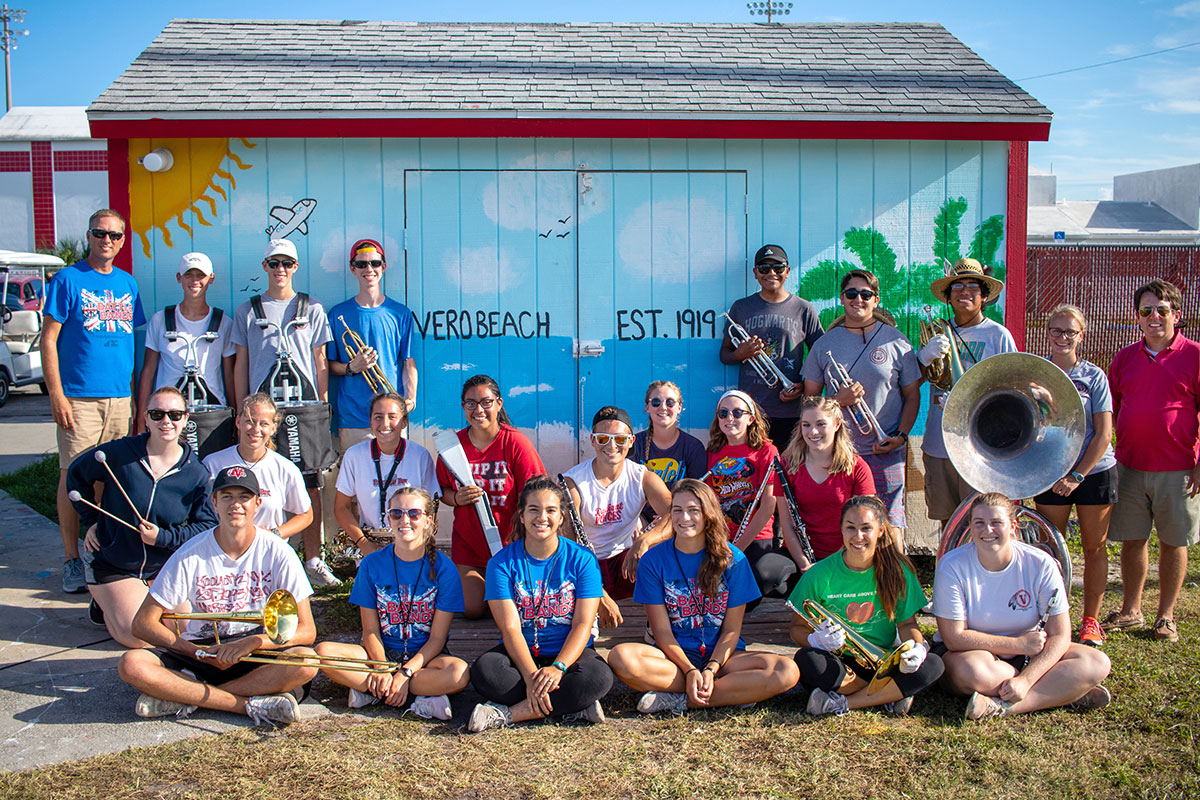
October 2018 - October 2019 Centennial Events.
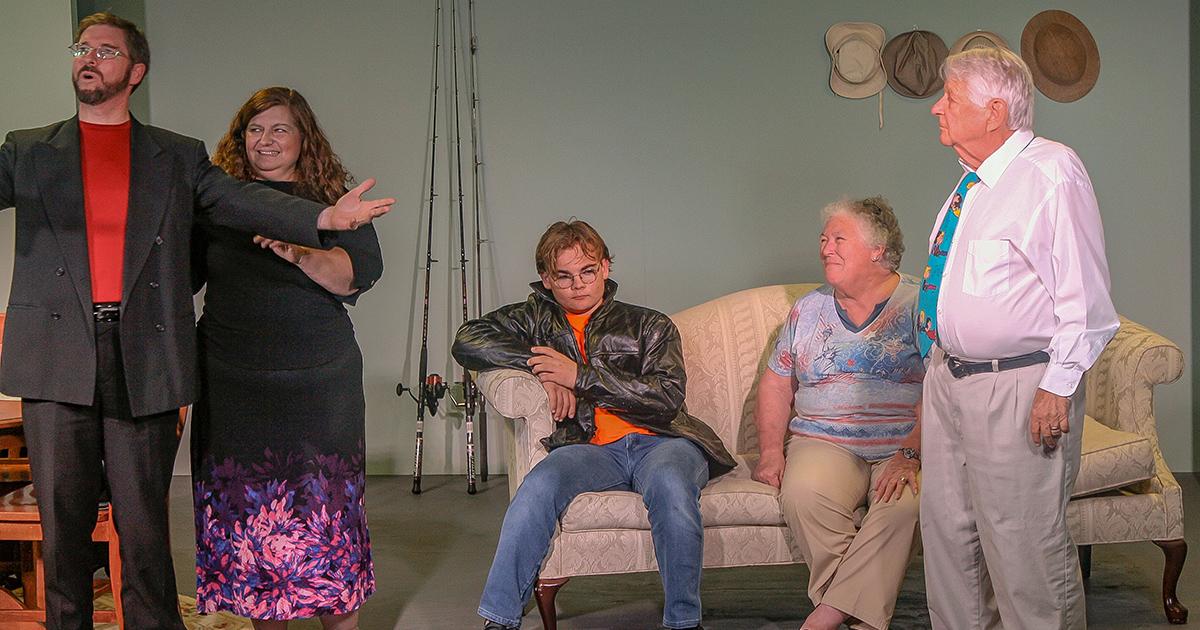
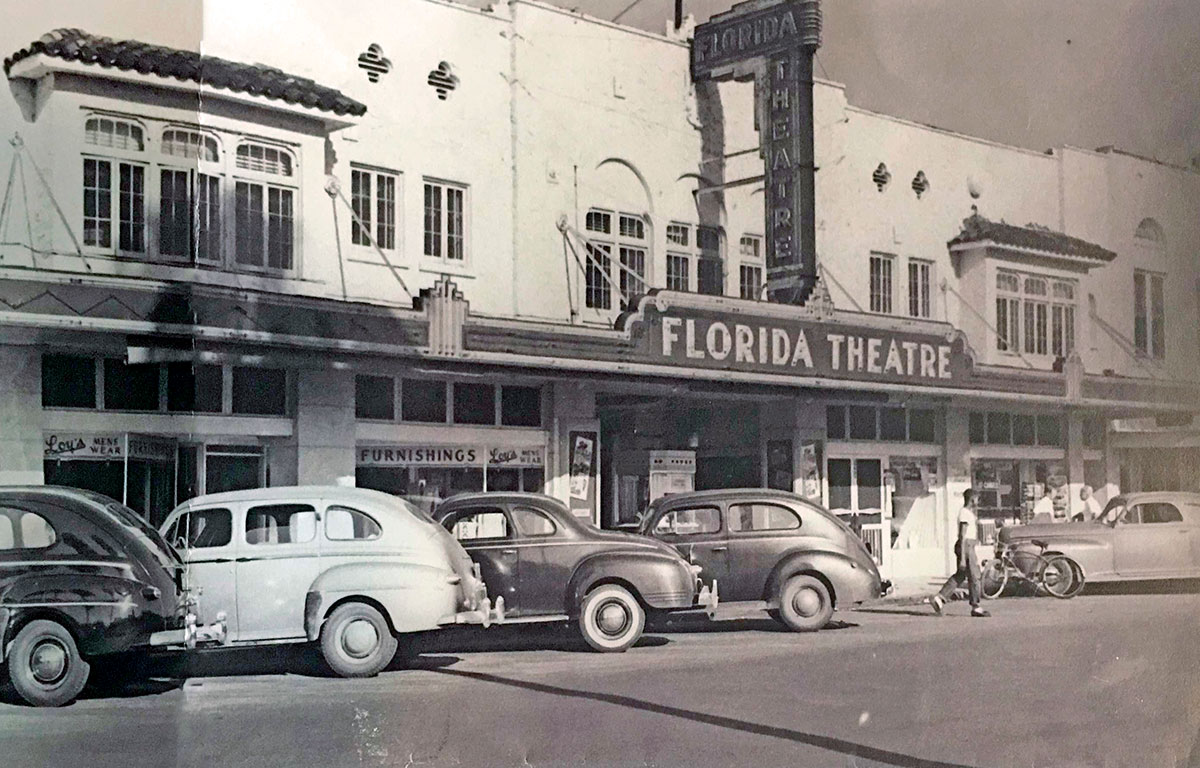
In the 1920s, even before there was an Indian River County, there was entertainment. Movies were shown at Vero Theatre, where, it’s said, Sheriff Billy Frick and his wife, Adelaide, former entertainers, created Vero Follies, featuring talented people from the community. The Civic Players presented plays in the 1930s and the seasonal Tourist Club had a mixed chorus that sang in community concerts and put on variety shows.
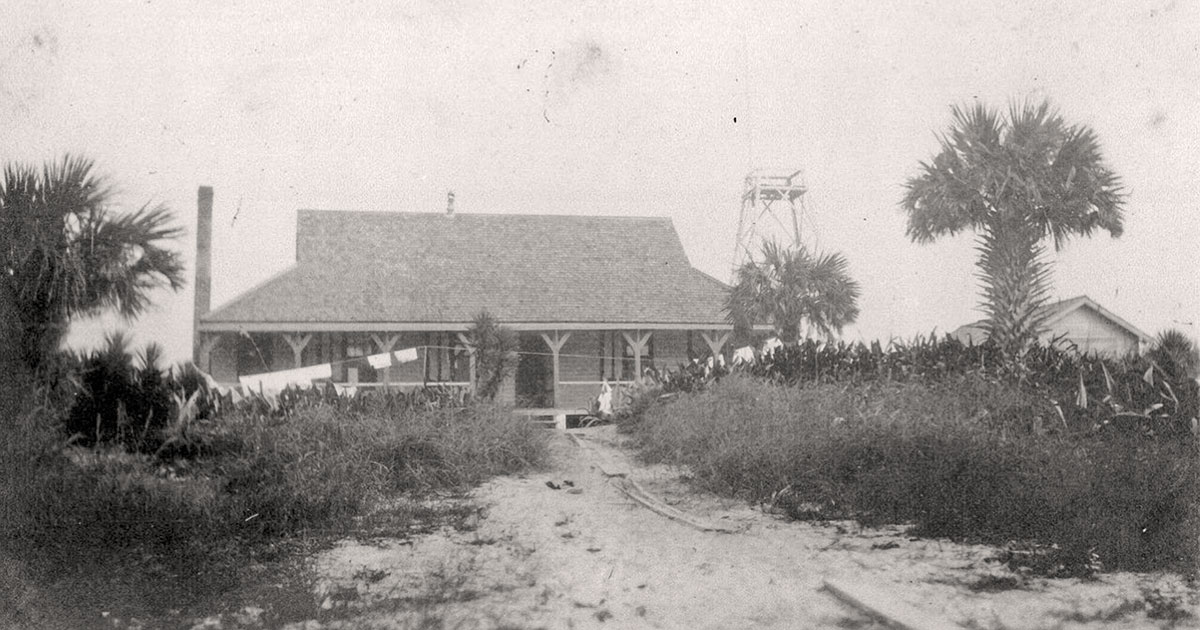
With mosquitoes as thick as the dense palmettos and being only accessible by boat, the barrier island of Vero Beach was deemed uninhabitable by early settlers.
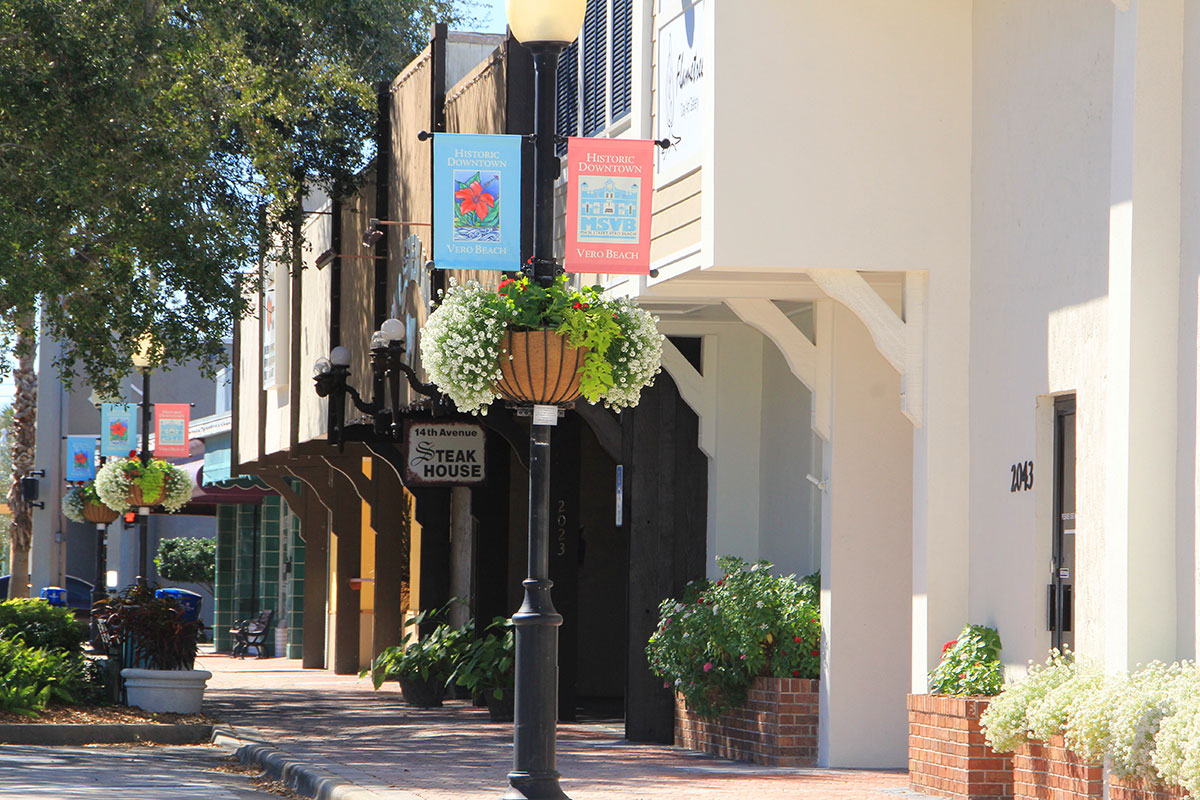
When walking the streets of downtown Vero Beach today, it is difficult for anyone to imagine the Vero of 100 years ago. By 1919, when the small hamlet of Vero was officially born (“Beach” would not be added to the name for six years), the population was less than 800 souls, for the most part farming families who came here to leave the cold north behind for the promise of a better life. What there was of downtown existed primarily at the intersection of Osceola Boulevard and Seminole Avenue, now 20th Street (State Road 60) and 14th Avenue.
For 61 years from 1948 to 2008, Vero Beach was a familiar name to baseball fans. Dodgertown was the classic major league spring training site. Then it was gone, and Vero survived.
Better bridges and roads, mosquito control and eventually, the widespread use of air-conditioning, even in public schools, made Vero Beach attractive to new residents during the postwar Baby Boom.
World War II brought permanent changes to the homefront, even to towns as small as Vero Beach in the early 1940s.
Like many latter-day retirees who visit towns up and down Florida’s east coast before deciding to settle in Vero Beach, a Vermonter named Henry T. Gifford checked out Titusville, Fort Pierce and the swamps now known as Miami before moving to Vero in 1887, when it was unnamed, unknown and mostly uninhabited.