SAVING PLACE
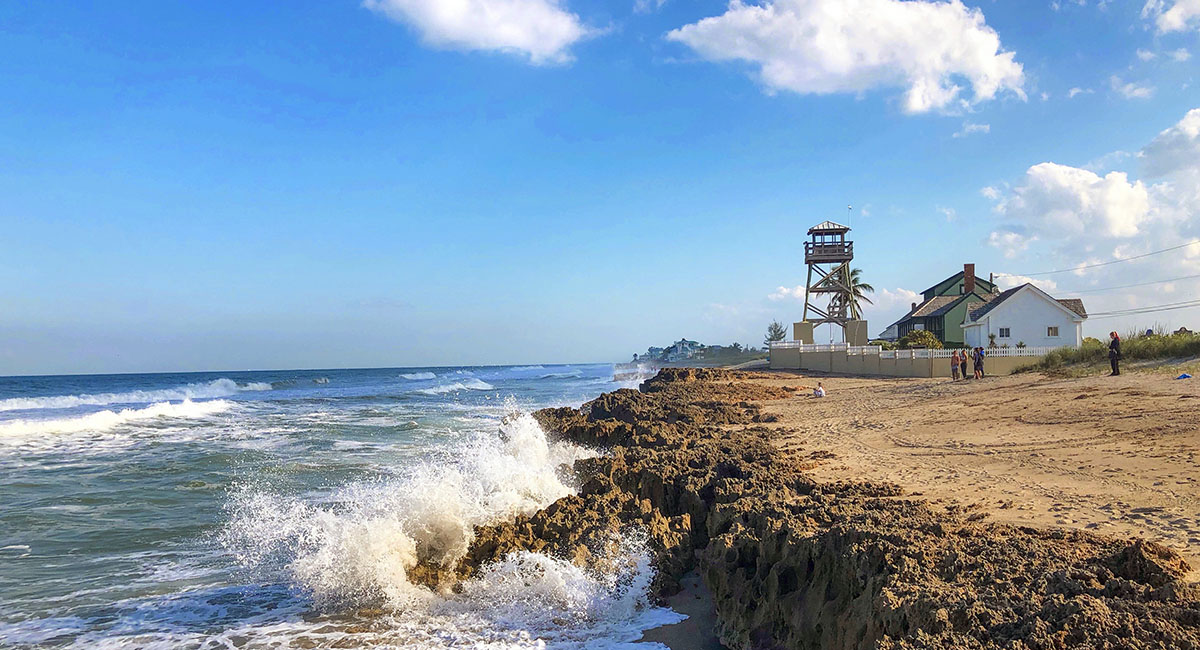
Safely nestled behind a natural limestone fortress, protecting it from crashing waves below, the House of Refuge at Gilbert’s Bar has long outlasted all other manmade structures in Martin County.

Safely nestled behind a natural limestone fortress, protecting it from crashing waves below, the House of Refuge at Gilbert’s Bar has long outlasted all other manmade structures in Martin County.
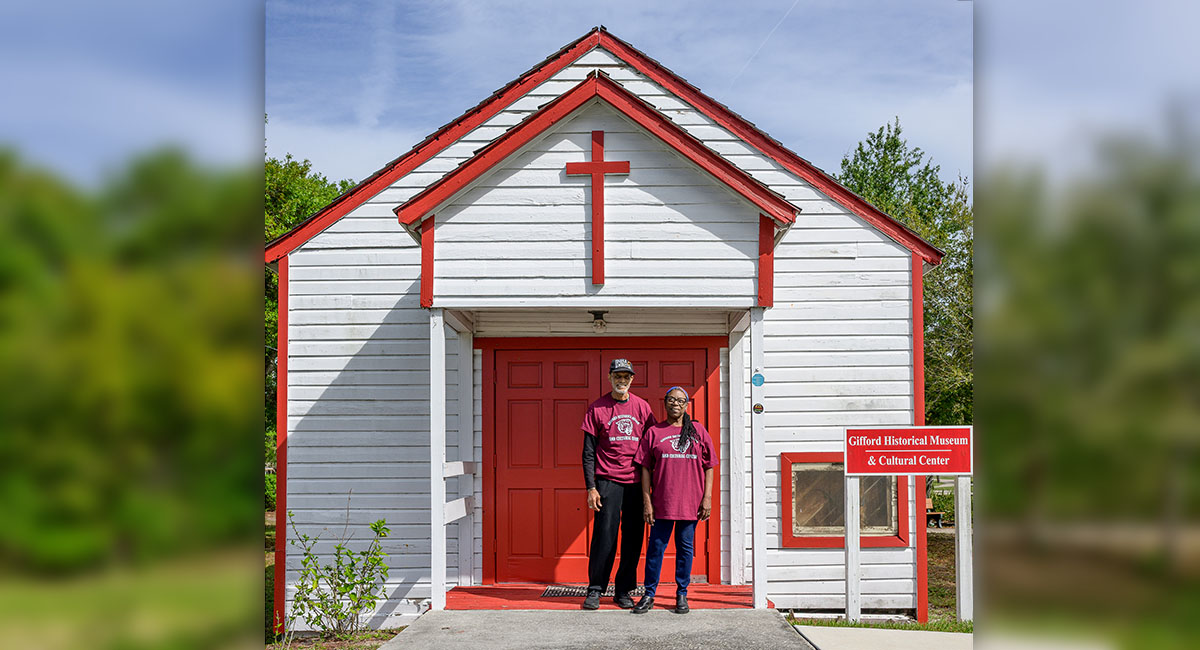
A historical church — built in Sebastian to serve black workers who were clearing land and laying track for Henry Flagler’s railroad — has been welcoming new visitors in recent years, as a shrine to black history in Gifford. Now, this museum has become the catalyst for a new cultural destination in the park where it stands.
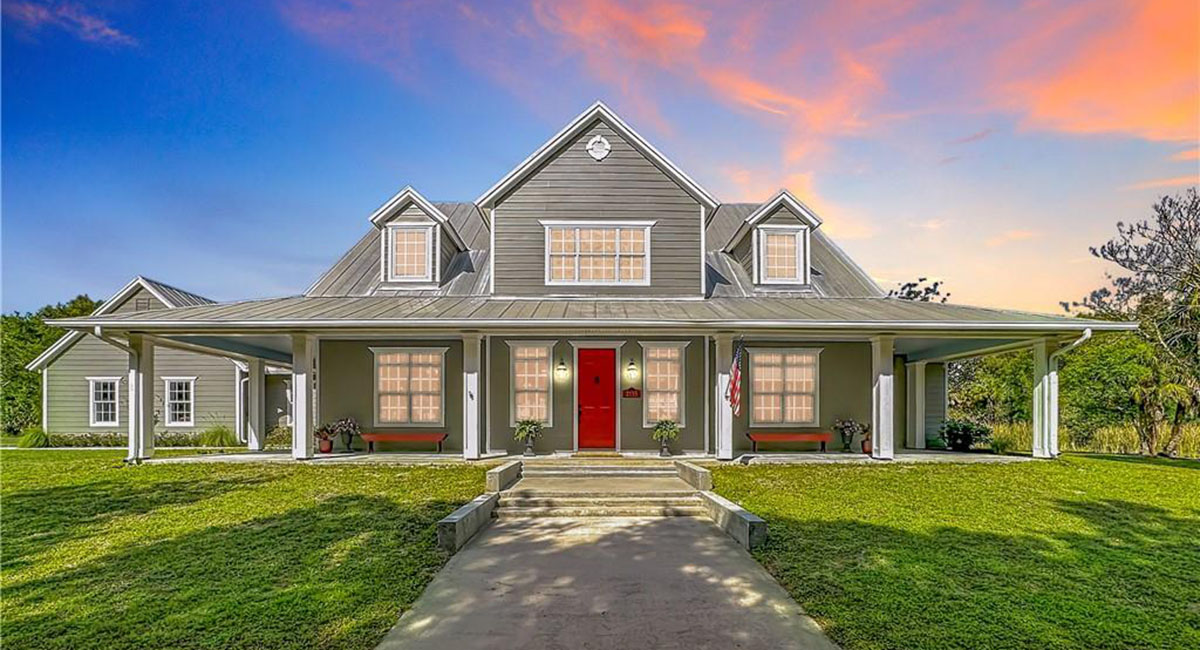
In Vero Beach, where coastal charm meets a deep sense of community, Tropic Shores Real Estate is quietly setting a new standard for what clients can expect from a real estate experience. Built on relationships rather than transactions, the boutique firm offers something increasingly rare: genuine care.
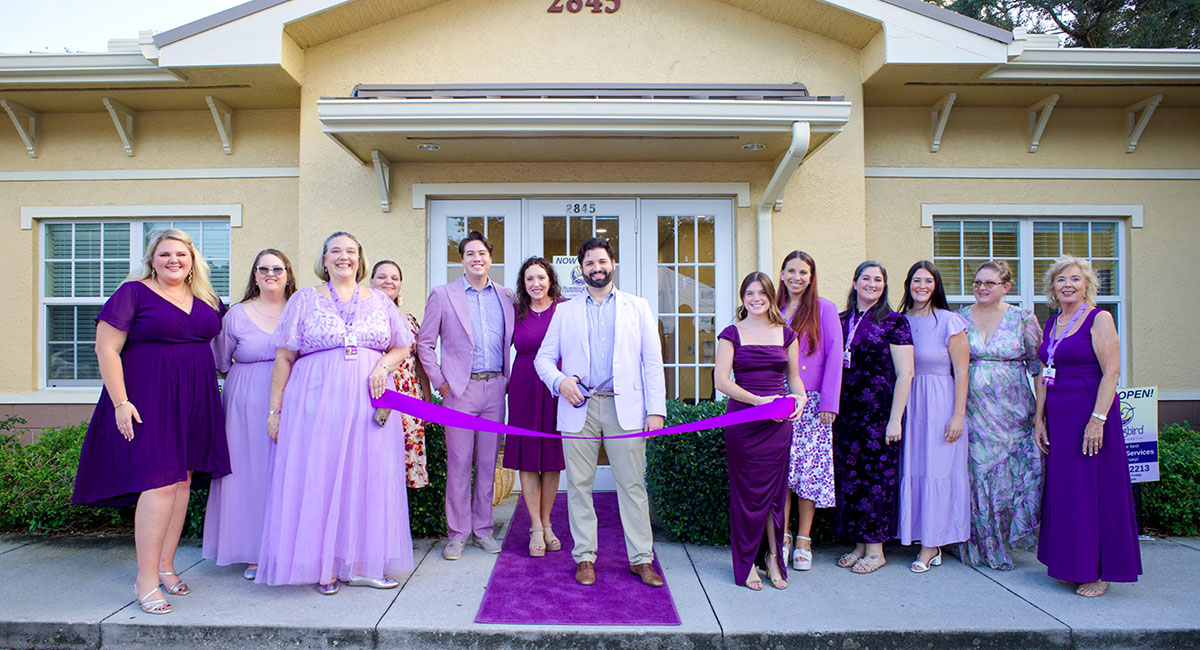
In the quiet intensity of a hospital emergency room, Colby Bechtold often wondered what happened to patients after they left.
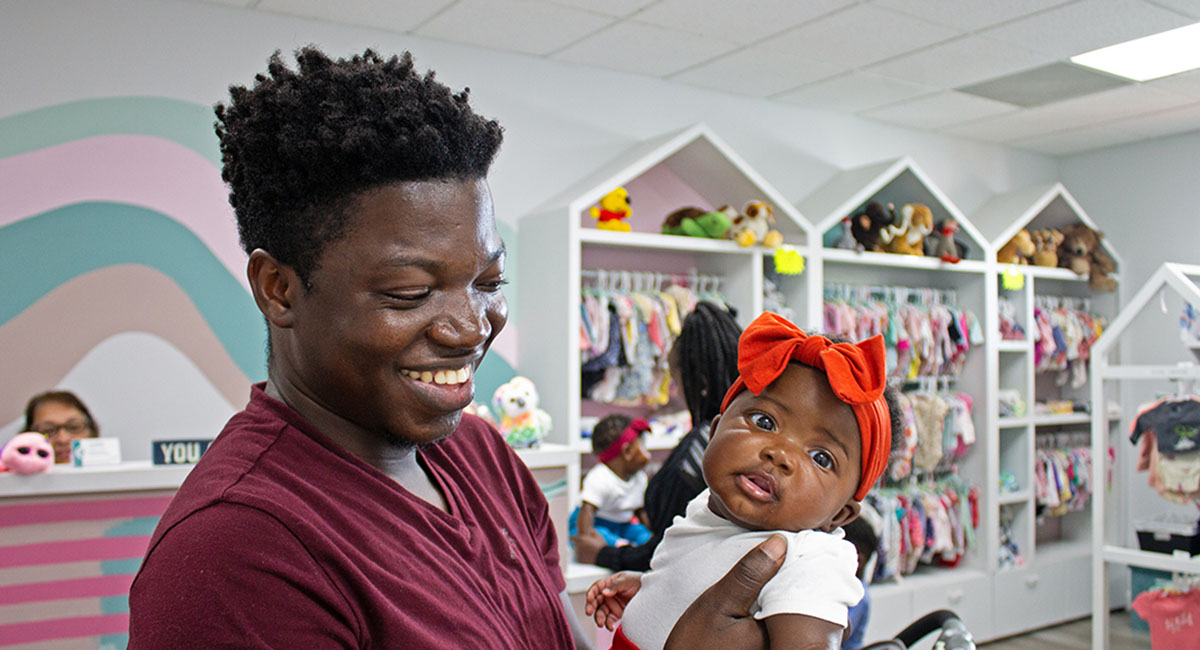
At Care Net Pregnancy Center of Indian River County, compassion is more than a philosophy — it is a daily practice rooted in community, care and unwavering support.
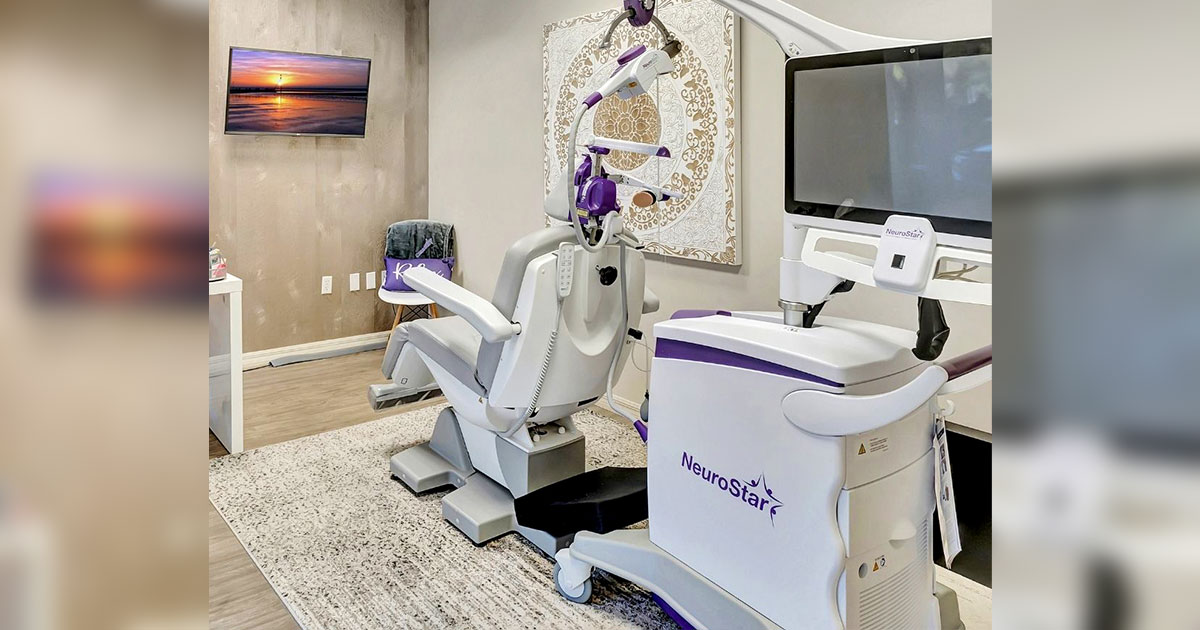
In a growing landscape of mental health care, Lighthouse Health Group in Vero Beach is redefining what it means to treat the whole person. The practice offers a comprehensive, integrative approach that blends clinical expertise with innovative therapies and a strong emphasis on individualized care.
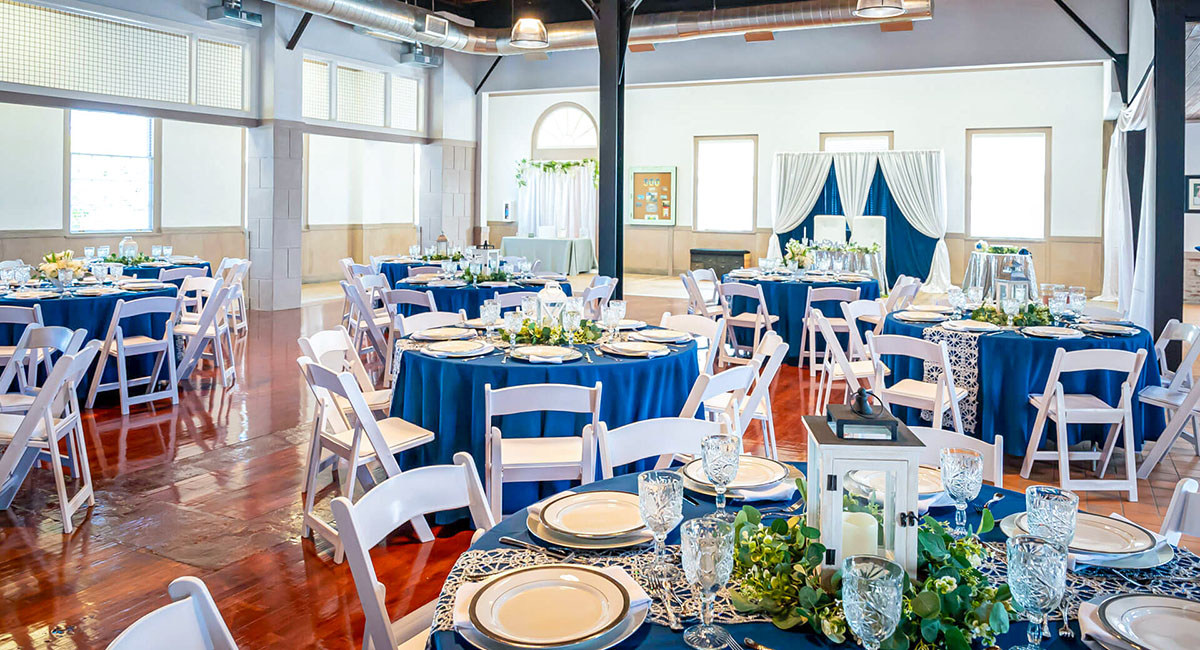
In downtown Fort Pierce, a historical landmark has found new purpose as one of the Treasure Coast’s most memorable event destinations. 500 Orange Event Center, owned by Stan and Jean Synkoski, blends timeless architecture with modern elegance, creating a setting that feels both rich in character and alive with possibility for life’s most meaningful moments.

For more than 45 years, Florida Shutters Inc. has remained a cornerstone of hurricane protection in Vero Beach, combining time-tested craftsmanship with a forward-thinking approach to design and safety. Founded in 1979 by Tom Pease, the company continues to thrive as a second-generation, family-owned and operated business under the leadership of his son, Thomas L. Pease Jr., known as Tommy.

Tucked along Savannah Road in Fort Pierce, Heathcote Botanical Gardens stands as a testament to the enduring power of community vision and green space preservation. Established in 1986, this nonprofit garden has grown from a modest idea into a vibrant cultural and educational hub serving the Treasure Coast.
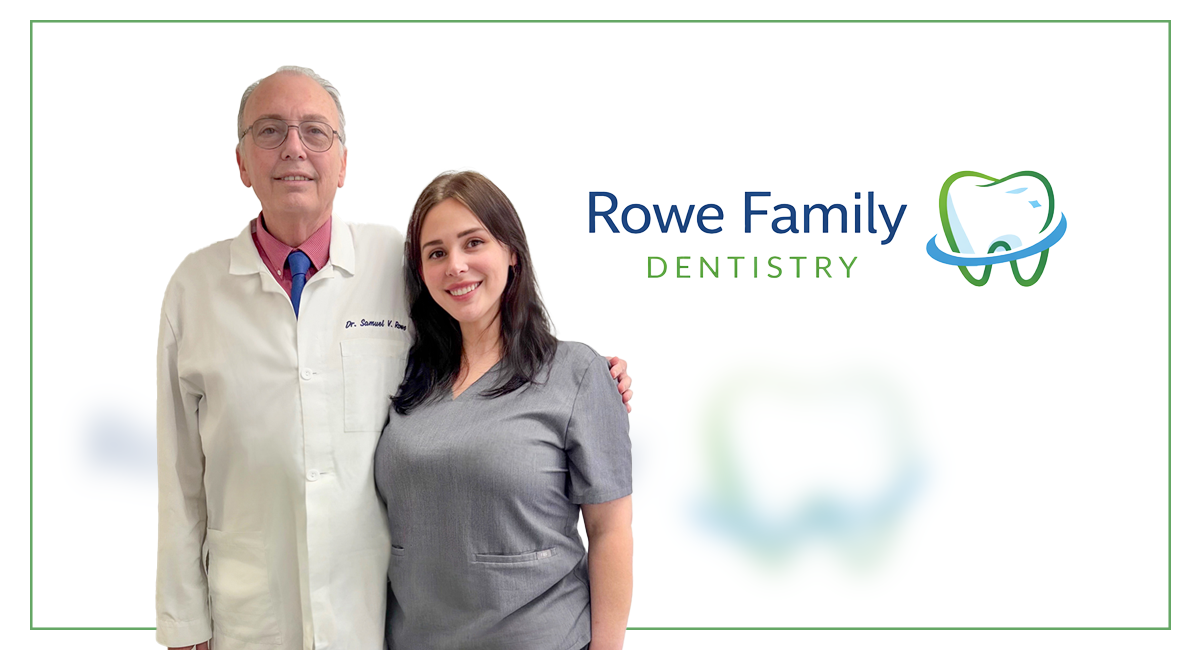
In the heart of Fort Pierce, a dental practice with deep community roots continues to redefine what patient care looks like. At Rowe Family Dentistry, a legacy that began more than six decades ago continues to thrive — built on a foundation of trust, compassion and genuine connection with every patient who walks through the door.
You cannot copy content of this page


