— SPONSORED CONTENT —
Buying a Puppy vs. Adoption: An Honest Conversation
By Jill Scott | Owner, PetLife Animal Hospital & The Noble Paw
 In recent years, few topics in pet conversations have sparked more controversy than how people choose a new dog. “Adopt, Don’t Shop” has become a popular slogan, and while all animal lovers agree puppy mills are unacceptable, the conversation is often far more complicated than a headline allows. To simply tell someone “Adopt don’t Shop” without offering them a genuinely responsible alternative, is not advocacy, it is missed opportunity and in some cases, it drives well-meaning people directly into the arms of the very operators we are all trying to shut down!
As the owner of PetLife Animal Hospital and The Noble Paw, I have spent more than twenty years caring for animals and seeing the damage caused by irresponsible breeding. The term “puppy mill” can have so many meanings ... Even a neighbor down the street, advertising their pups with a street sign and phone number, can be a “puppy mill”. In my view, a puppy mill is any operation — large or small — where dogs are bred carelessly for profit, with little regard for health, temperament, or quality of life. These dogs are treated as products rather than beloved companions.
At the same time, I believe with equal conviction, that every responsible compassionate person should have the right to choose the type of dog that best fits their lives. Adoption is a wonderful option and can be deeply rewarding, but it is not always the right choice for every household. Some rescue dogs come with unknown medical or behavioral histories that require special experience, time, or resources. Many families are searching for a specific size, temperament, or breed that suits their lifestyle, allergies, age, or physical ability.
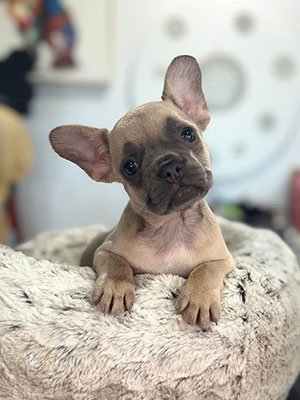 In Florida and across much of the South, shelters are often filled with large mixed-breed dogs, including many Pit Bull mixes. These dogs can make wonderful companions, but they are not the ideal fit for everyone. Many families need a smaller, calmer, or hypoallergenic breed, and those preferences should not invite judgment.
Over the years, I have watched loving families feel embarrassed for purchasing a puppy instead of adopting one. I have heard clients apologize in exam rooms for purchasing a specific breed they could raise and train from puppyhood, rather than adopting. I believe that kind of stigma, born from shaming is unfair and unproductive. Responsible pet ownership should focus on education, ethics, and informed decisions — not guilt.
That core belief is why I opened The Noble Paw in Stuart, Florida. My goal was to create a responsible alternative for families seeking a well-bred puppy while refusing to support unethical breeding practices. As both a veterinary hospital owner and puppy store owner, I approach this work from a medical and ethical perspective. Every breeder we work with is carefully vetted through long-term relationships, personal visits, and ongoing evaluation. Their dogs are family pets, not breeding machines.
Health testing, genetic screening, veterinary care, and proper socialization are requirements, not optional extras. We travel to breeders’ homes, observe how their dogs live, and continue those relationships year after year because accountability matters.
We are also honest about reality. Even with excellent breeding practices, no puppy can come with a guarantee of perfect health. Biology does not work that way. What we can guarantee is our commitment to the animals and families we serve. We stand behind our puppies and provide support that often exceeds what private breeders offer.
Every puppy at The Noble Paw receives veterinary oversight, quarantine upon arrival, and careful socialization.
 Our mission is simple: to provide an ethical, transparent option for people seeking the right canine companion while maintaining the highest standards of animal welfare. We believe adoption should be celebrated, responsible breeding should be respected, and pet owners should be free to make informed choices without shame.
Too often, conversations reduce a complex issue to a slogan, when the real solution is education and accountability. Ethical breeders, veterinarians, rescues, and shelters should share the same goal: protecting animal welfare and helping families find suitable pets. When people are guided toward choices instead of pressured, both animals and owners benefit. Compassion should exist on all sides of this conversation.
Jill Scott is the owner of PetLife Animal Hospital in West Palm Beach, Florida, and The Noble Paw in Stuart, Florida. With more than twenty years in veterinary medicine, she advocates for ethical breeding, compassionate veterinary care, and the lifelong bond between people and their pets.
772.348.0800 | 2468 SE Federal Hwy, Stuart, Florida 34994 | www.TheNoblePaw.com
Private consultations, in-home matchmaking services, and after-hours appointments available upon request.

COPYRIGHT 2026 INDIAN RIVER MEDIA GROUP. ALL RIGHTS RESERVED. THIS MATERIAL MAY NOT BE PUBLISHED, BROADCAST, REWRITTEN OR REDISTRIBUTED.


