
Vital post
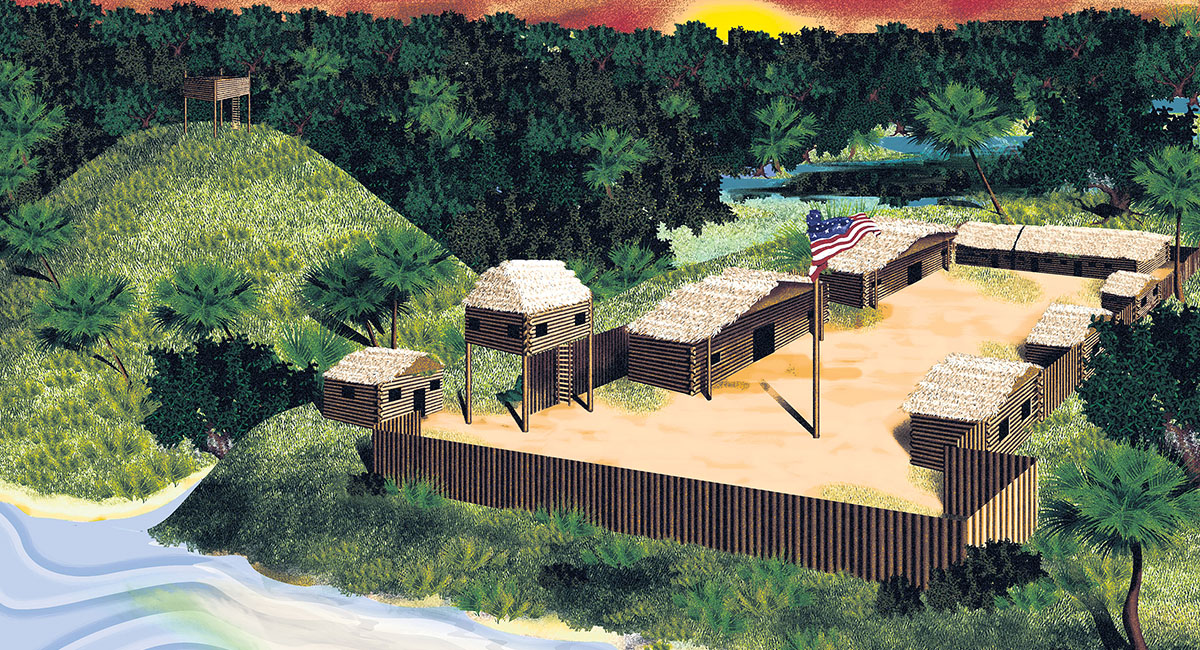
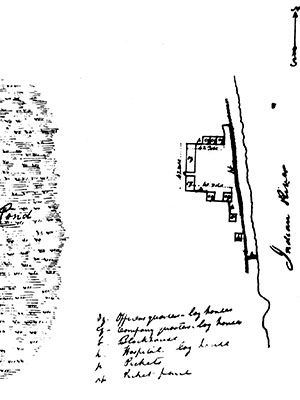
In defense of Fort Pierce’s role in the Seminole War
BY JEAN ELLEN WILSON
The European invasion of mainland North America, by the 19th century, had forced the decimated Native American population into scattered defensive outposts. It was the prevailing opinion that the European newcomers and the indigenous residents could not coexist. The solution heralded by Andrew Jackson and others: relocate the Natives to the West, using the mighty Mississippi River to divide them from the settlers. In 1830, Congress passed the Indian Removal Act, and the U.S. Army was charged with overseeing and enforcing this mass displacement.
Tribes in the American Southeast — notably the Creeks, Cherokees, Chickasaws and Choctaws — put up resistance but, with the whites “as thick as the leaves in the forest and coming upon us thicker every year,” the Trail of Tears was inevitable. Unexpectedly, it was the tribes of Florida — the Seminole and the Miccosukee — whose defiance cost the most lives and the most money to evict. From 1830 to 1858, the federal effort to round up the Florida refugees continued. For more than a quarter of a century, the search and capture campaigns were relieved only by temporary truces and cease-fires.
Historians recognize three wars between the native residents of Florida and the American military. The First Seminole War was Andrew Jackson’s takeover of Spanish West Florida in 1817. The heart of the conflict was The Second Seminole War — called “the Florida War” in contemporary newspapers — which began in 1835 and ended by proclamation in 1842. The Third Seminole War was the final effort to rid the state of the Seminoles and Miccosukees. It lasted from 1855 to 1858.


